Discovering European History with Kids on Cultural Tours
Plan a kid-ready path through Europe’s past
Build an age-appropriate timeline
Create a color-coded timeline together, linking the Colosseum’s opening around AD 80, the Acropolis’ 5th-century BCE marvels, and the Bayeux Tapestry’s 1066 story. Ask kids which era they’re most excited to “meet.”
Follow a three-room rule in big museums, then chase gelato or a playground. In Florence, sketching Botticelli hair saved our afternoon. Share your ages; we’ll suggest pacing that respects tiny legs and big curiosity.
Prioritize hands-on museums: Oslo’s Viking Ship Museum, London’s Museum of London, Paris’s Musée de l’Armée kids’ trails, or a Rome gladiator class. Comment your favorites so others can plot playful, history-rich routes.
Design cards for symbols to find: laurel wreaths, Latin numerals, fleur-de-lis, spiral columns, and ship figureheads. Hide “rest stop” squares. Share photos of triumphs; remember many museums restrict flash and respect quiet spaces.
Travel journals with timelines
Tape tickets beside dates, sketch gargoyles, and let kids paste leaves from castle moats. Use washi colors for eras. Subscribe for a simple spread template, or comment to swap ideas with fellow traveling families.
Dress-up micro role-play
Pack paper crowns, a cardboard shield, or a simple bedsheet toga. Practice greetings in local languages. Role-play palace guides or apprentice stonemasons. Ask kids to reflect: how did that costume change your confidence today?
Navigating sensitive history with care
Match maturity to site
Reserve the Anne Frank House for older children ready for reflective discussion; consider the Verzetsmuseum Junior for interactive context. Offer alternatives nearby, like canal boat rides, when emotions feel heavy. Share ages; we’ll help calibrate.
Prepare context, then debrief
Preview with age-appropriate books, set expectations, and agree on a hand-squeeze signal for breaks. Afterward, draw, journal, or light-gesture a paper “candle.” Invite questions at dinner, and share suggestions for empathetic conversation starters.
Focus on helpers and upstanders
Balance hard truths with courage: Kindertransport statues, Danish rescue stories, and local resistance exhibits. Celebrate choices to help. Ask children who they noticed acting bravely, and invite readers to comment with hopeful sites to visit.
Logistics that keep curiosity alive
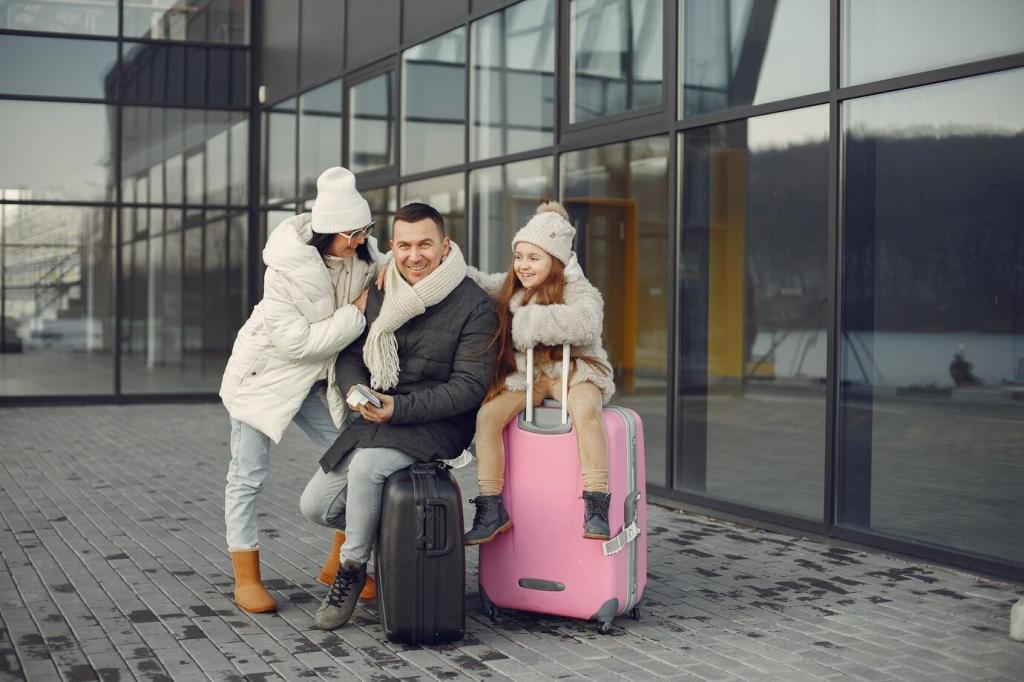
Reserve seats on longer routes, pack snack boxes, and count tunnels together. Local trains along the Rhine reveal castle silhouettes between stations. Invite readers to share favorite kid-friendly routes for scenic, stress-light connections.
Logistics that keep curiosity alive
Book timed entries for the Colosseum, Acropolis, or Sagrada Família. Arrive early, choose kid audioguides, and pair heavy exhibits with nearby parks. Comment your city list, and we’ll suggest queue-dodging tactics tailored to families.
Logistics that keep curiosity alive
Travel in shoulder seasons for gentler crowds. Embrace long Scandinavian summer light, and honor Spanish siestas with midday rests. Pack rain plans. Subscribe for monthly checklists that match festivals, weather, and family attention rhythms.